
Why Newcastle's Local Coffee Roasters Hit Different in 2026
Let's be real, 2026 is shaping up to be coffee's main character era. Climate chaos, supply chain drama, and a generation that's turning their morning brew into a whole vibe means the game has completely changed. For Newcastle coffee lovers, choosing local isn't just some warm-and-fuzzy support-small-business thing anymore. It's about backing roasters who are actually doing something different while everyone else is still catching up.
Newcastle's Coffee Glow-Up
Fifteen years ago, Newcastle was still carrying the "Smoke City" baggage from its industrial days. Fast forward to 2026, and the city's become a low-key hub for sustainable innovation - especially in coffee. HUNTERhunter recently celebrated Sprocket Roasters hitting their 15-year milestone, and honestly? It's wild how much has changed.
From Lambton to Broadmeadow, local roasteries are out here proving Newcastle doesn't need to borrow clout from Sydney or Melbourne. The coffee scene's matured into something properly special, with local roasters supplying the venues everyone's already obsessed with - The Van at Bar Beach, Cargo Espresso in Redhead, Gamble and Brown in Kotara, Lynch's Hub, and Jimmy's in Warners Bay.
According to HUNTERhunter's feature, the Sprocket team summed it up perfectly: "Cafe owners are the most hard-working people in town and we wouldn't be here today without their continued support!" That interconnected local network? That's what makes Newcastle's coffee culture actually mean something.
The 2026 Coffee Reality Check
The Australian coffee market just hit USD 2.58 billion as we roll into 2026, and it's projected to reach USD 3.37 billion by 2031. Sounds great, right? Except here's the plot twist: coffee prices aren't just going up - they're being completely reset by climate instability, supply chain chaos, and the actual cost of doing things properly.
Coffee-growing regions are dealing with temperature spikes, unpredictable rainfall, labour shortages, and disease pressure that's making yields tank while costs soar. Translation? The era of cheap coffee is officially dead. When you're paying premium prices regardless, choosing local roasters who've built real relationships with ethical suppliers becomes less of a nice-to-have and more of a no-brainer.
What Makes Local Roasters Actually Different
Freshness That Actually Matters
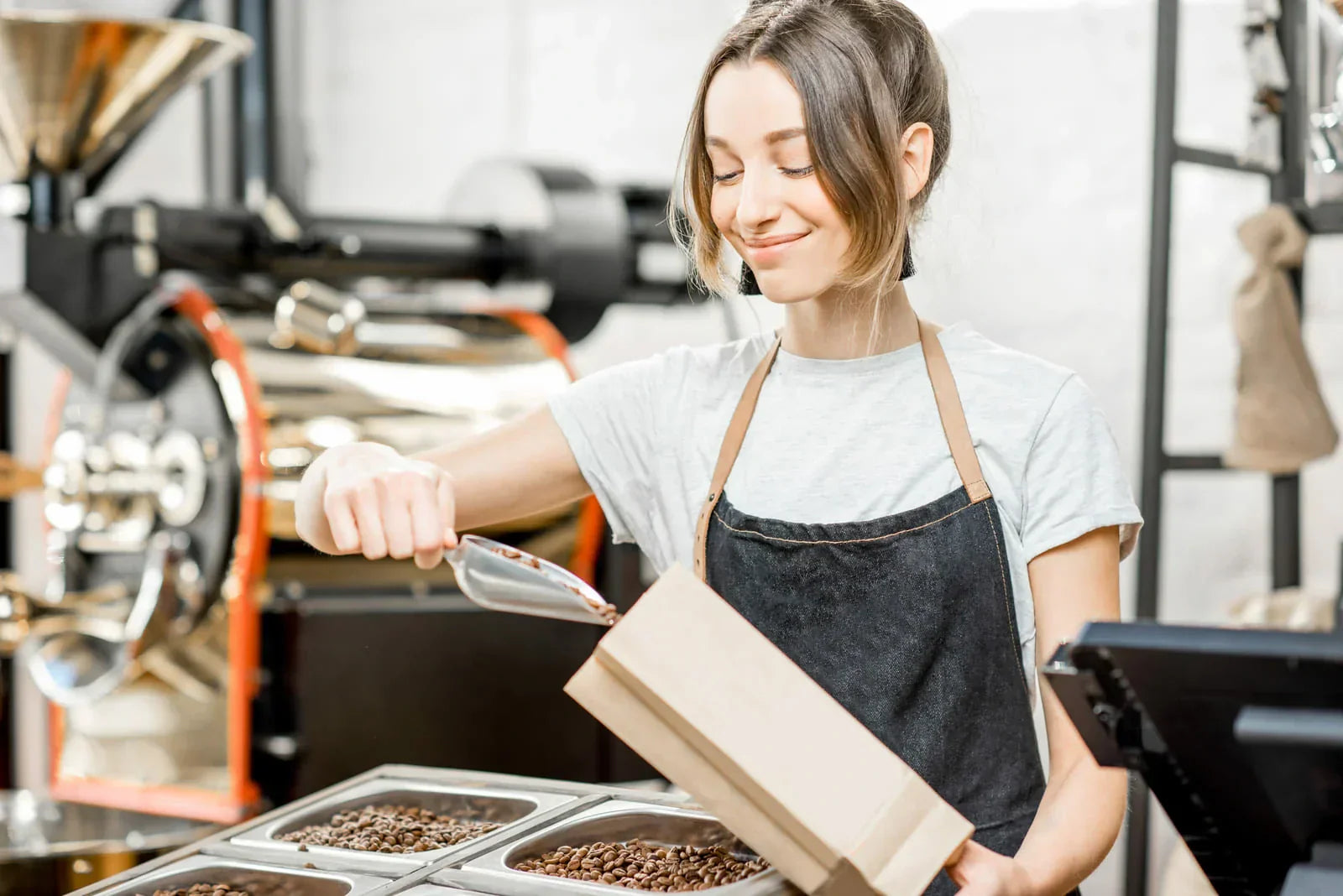
Coffee loses its peak flavour within weeks of roasting. Those supermarket bags that have been sitting there for months? Already mid. When you grab beans from a Newcastle roaster, you're getting coffee that was roasted this week - sometimes even today.
In 2026, when everyone's paying premium prices anyway, that freshness gap between local and mass-market is the difference between actually experiencing what good coffee can be versus just... drinking coffee.
Traceability Without the Greenwashing
Sustainability talk in 2026 isn't optional anymore - it's expected. But here's the thing: local roasters in Newcastle aren't just talking about it. They actually know where their beans come from, who grew them, and how they were processed.
This level of transparency means when you're paying more (because let's face it, you are), you're getting actual value - quality beans, ethical sourcing, fair farmer comp. No greenwashing, no vague "eco-friendly" claims that don't mean anything.
Innovation That's Actually Revolutionary
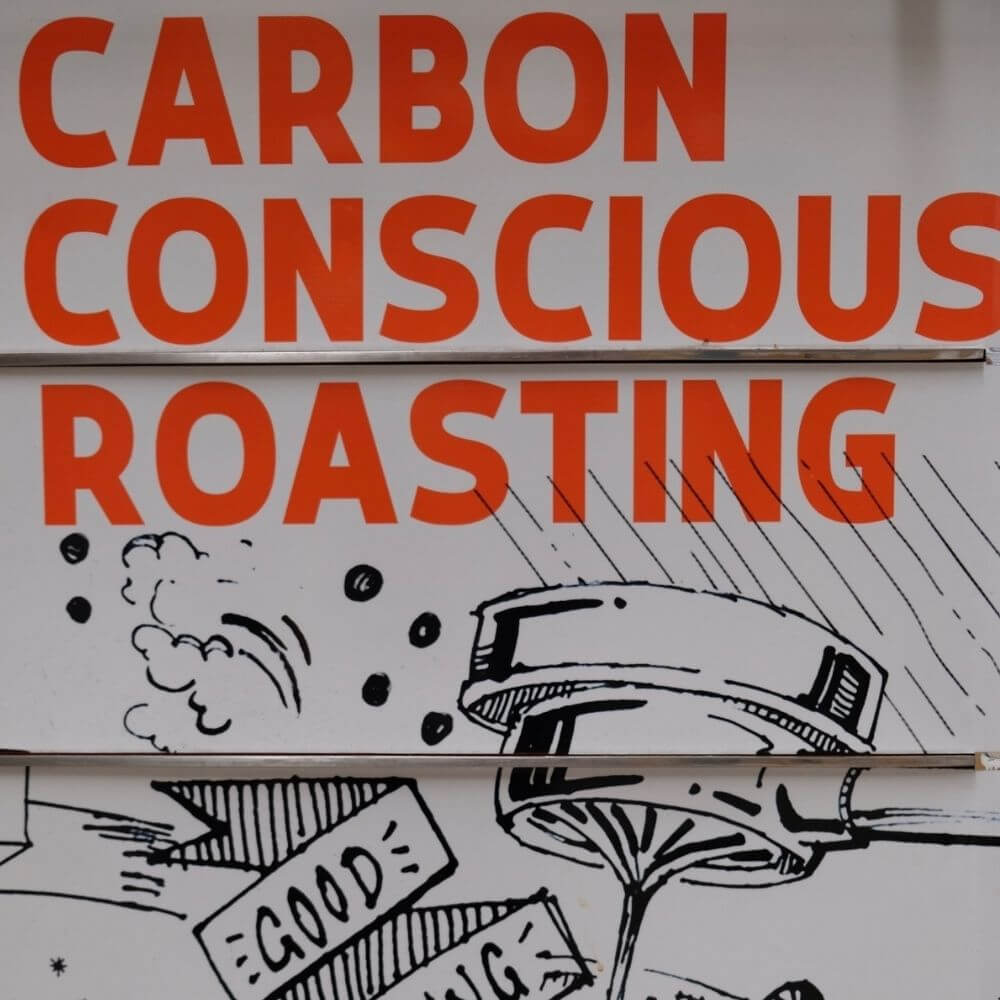
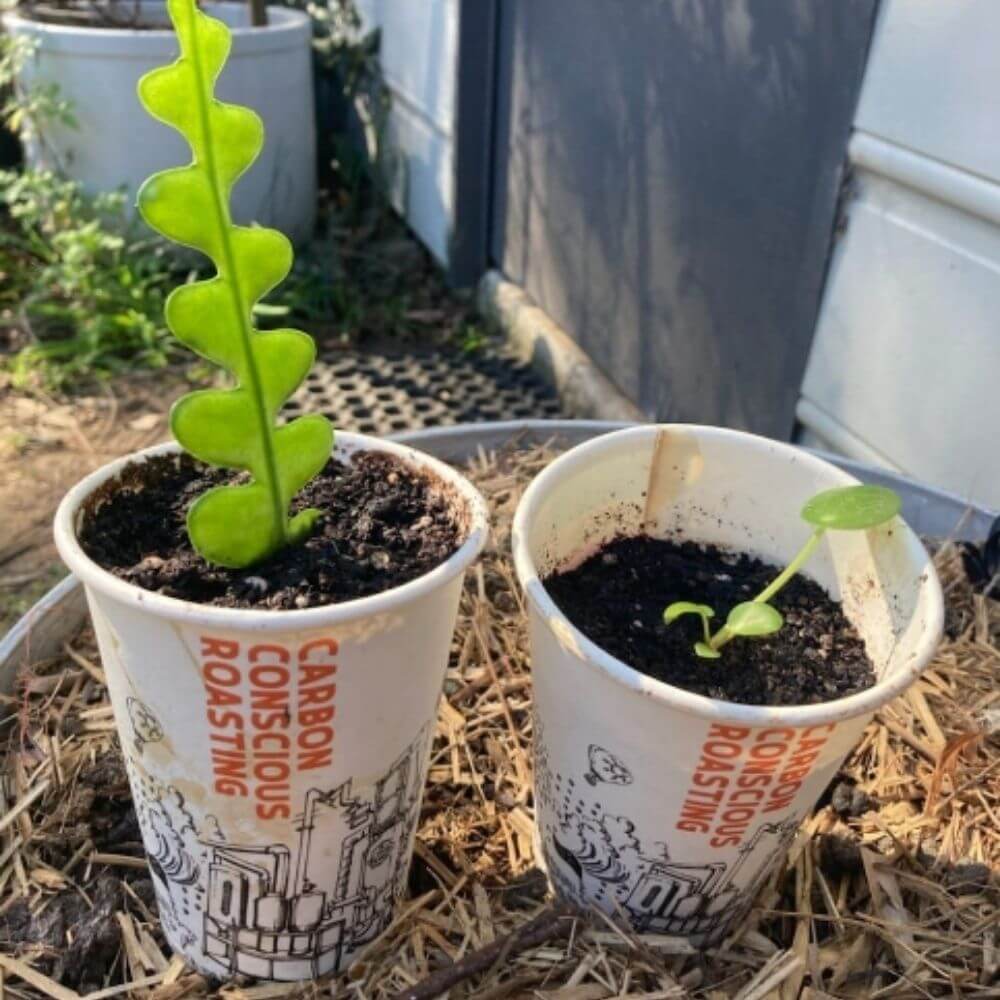
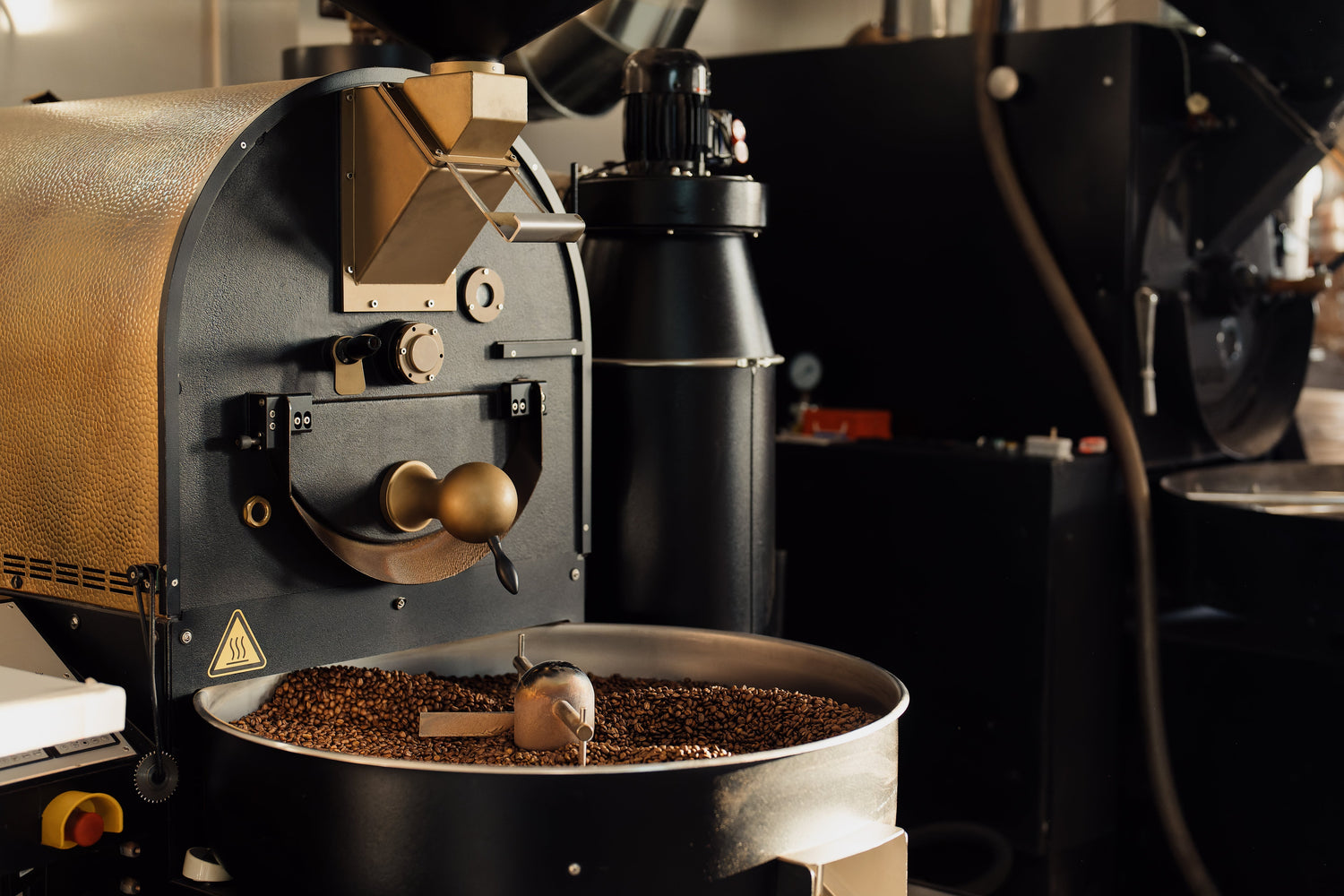
Some Newcastle roasters are genuinely rewriting the sustainability playbook. Sprocket Roasters developed world-first roasting tech that runs on bioenergy instead of fossil fuels. As HUNTERhunter highlighted, this isn't just marketing speak - they're repurposing spent coffee grounds and organic materials into fuel for their roaster.
Even coffee husks that normally get tossed become fuel, creating minimal smoke, odours, and emissions. Plus, they've got 62 solar panels on the roof, recyclable packaging, and they're out here restoring old machines instead of buying new ones every five minutes.
Their take? "We're farmers, so using what we have around the farm has been deeply embedded into us." That's the energy we need more of in 2026.
The Environmental Tea (Or Coffee)
Traditional coffee roasting is pretty rough on the environment. Conventional roasters burn fossil fuels, pumping out carbon dioxide, carbon monoxide, and a whole cocktail of nasty compounds.
Here's a stat that hits different: Australia produces about 6 million tonnes of spent coffee grounds yearly, and over 90% ends up in landfill. When that decomposes without oxygen, it creates methane - which is roughly 25 times more potent than CO2 as a greenhouse gas.
In 2026, as climate consciousness isn't just a trend but a genuine shift in how people make decisions, local roasters addressing these issues through actual innovation (not just vibes) are the ones worth supporting.
What's Actually Trending in 2026
Cold Brew & RTD Are Having a Moment
Cold coffee isn't seasonal anymore - it's a whole category. Gen Z and younger millennials are ordering iced drinks year-round, and the ready-to-drink market is projecting a 6.82% CAGR through 2031.
Sprocket's Sprocket Fuel range gets this. They've got cold brew concentrate plus pre-made cans in flat white, long black, and caramel latte. Premium, portable coffee that doesn't compromise on quality? That's the brief for 2026.
Signature Drinks > Basic Orders
The era of just ordering "a coffee" is done. Signature drinks are how cafés build identity now - think limited release vibes with flavour arcs, textures, and seasonal ingredients that make people want to come back and actually tell their mates about it.
Coffee tonics, cascara sodas, sparkling matcha, Shanghai Dirty Coffee (that -85°C frozen milk situation that's blowing up in Melbourne) - these aren't gimmicks. They're what happens when coffee culture gets creative and stops being boring.
Little Treat Culture Is Real
Gen Z's reshaping coffee culture through "little treat" mentality - small, affordable indulgences that boost mood and serve as self-care rituals. Highly customised, often sweet, visually appealing drinks that are worth posting about.
This shift is massive for the industry. A complex latte with oat milk, adaptogens, and a signature syrup sells at a higher price point than black filter, and customers are here for it. Local cafes who understand this cultural moment while maintaining quality are winning.
Functionality Meets Flavour
Coffee in 2026 isn't just about caffeine. It's about what else it can do - adaptogens, collagen, nootropics, protein. Wellness-minded drinkers want added benefits, and the market's responding.
While Sprocket keeps it focused on pure, quality coffee, this trend validates why sourcing matters. Sustainably grown, carefully processed beans retain more of their natural beneficial compounds anyway.
The Community Difference
When you buy from local Newcastle roasters, your money actually stays in the community. These aren't faceless corps - they're neighbours who employ local people, collaborate with local cafés, and invest in making Newcastle better.
The HUNTERhunter piece captures this perfectly. Sprocket supplies some of the region's most loved venues, creating this interconnected ecosystem where everyone wins. When cafés can serve genuinely local products with real stories, that authenticity resonates with customers who are tired of corporate homogeneity.
Education That Actually Slaps
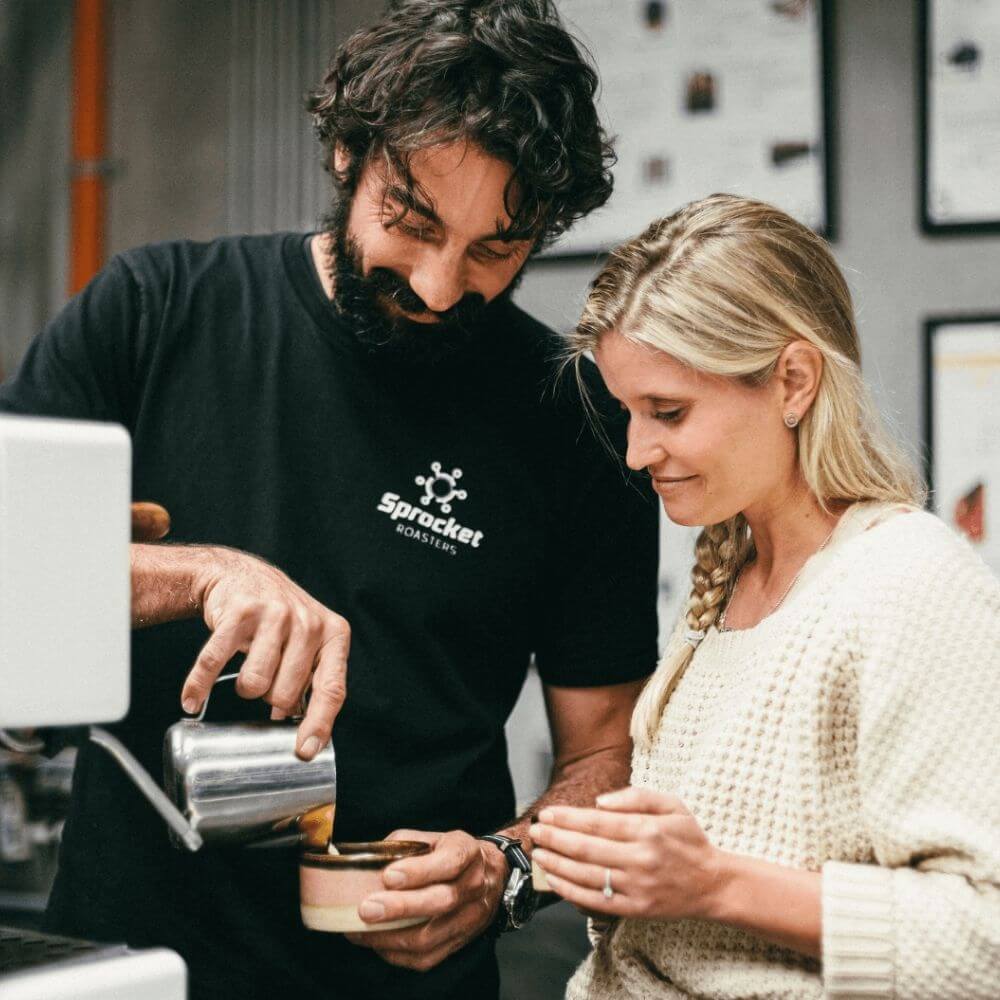
Local roasters aren't gatekeeping knowledge - they're actively building coffee culture through education. The Newcastle Coffee School (run by Sprocket with head trainer Derrick) offers hands-on training in espresso extraction, grinder calibration, milk texturing, and machine cleaning.
As HUNTERhunter covered, each student gets their own group head and access to commercial machines with fresh beans from the roastery downstairs. Derrick brings over 30 years of hospitality experience and proper qualifications, building confidence through step-by-step instruction that's actually useful.
In 2026, when coffee's getting more expensive, knowing how to extract maximum quality from your beans isn't just a hobby skill - it's valuable knowledge.
The Speciality Difference
Local Newcastle roasters focus on speciality-grade coffee - beans scoring 80+ points on a 100-point quality scale. This means rigorous standards for flavour, consistency, and zero defects.
Here's why this matters more in 2026: as production costs rise and climate pressures intensify, many farmers are being forced to prioritise yield over quality. Speciality coffee is becoming genuinely scarcer. Local roasters with long-term relationships to quality-focused suppliers? They've got access to beans that are getting harder to find.
Whether you're into bright, fruity Ethiopian Yirgacheffe, chocolatey Brazilian, or balanced Colombian - local roasters offer range that showcases what coffee can actually be when it's done properly.
The Customisation Factor
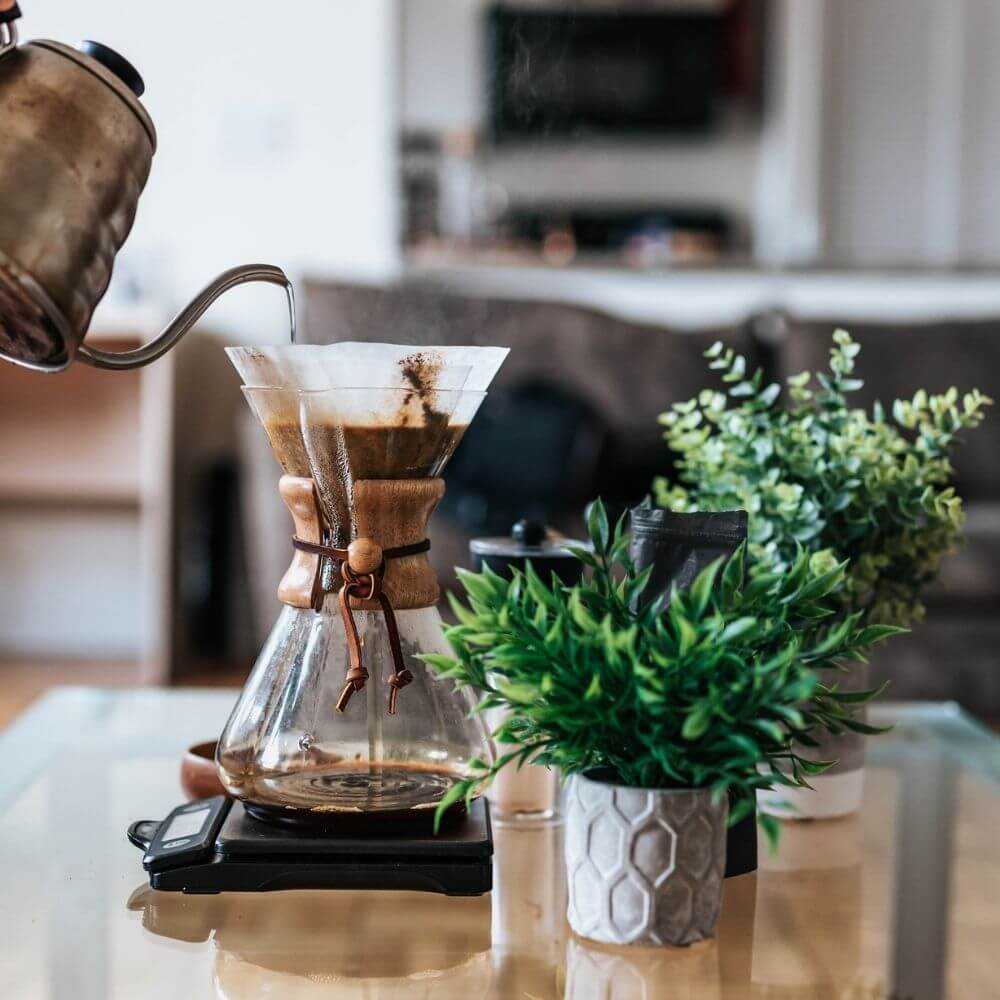
Local roasters will grind beans to your exact specs - espresso, French press, cold brew, whatever. Some will even do custom roast profiles if you order enough. This level of service doesn't exist with mass-market brands.
They build actual relationships, learn what you like, recommend new origins based on your taste evolution. Over time, this personalised approach opens you up to coffees you'd never discover otherwise.
In 2026, when every dollar spent on coffee matters more, this guidance ensures you're getting exactly what you want - no waste on purchases that don't hit.
Award-Winning, Not Just Instagram-Worthy
Newcastle's roasters consistently win at prestigious competitions - Sydney Royal Easter Show, Melbourne Fine Food Awards, Australian International Coffee Awards, Golden Bean Roasting Awards.
These aren't participation trophies. They're validation from industry experts that local Newcastle roasters are producing coffee at the absolute highest level. When you choose local, you're not compromising - you're accessing the same quality that wins national recognition.
Ethical Sourcing When It Actually Counts
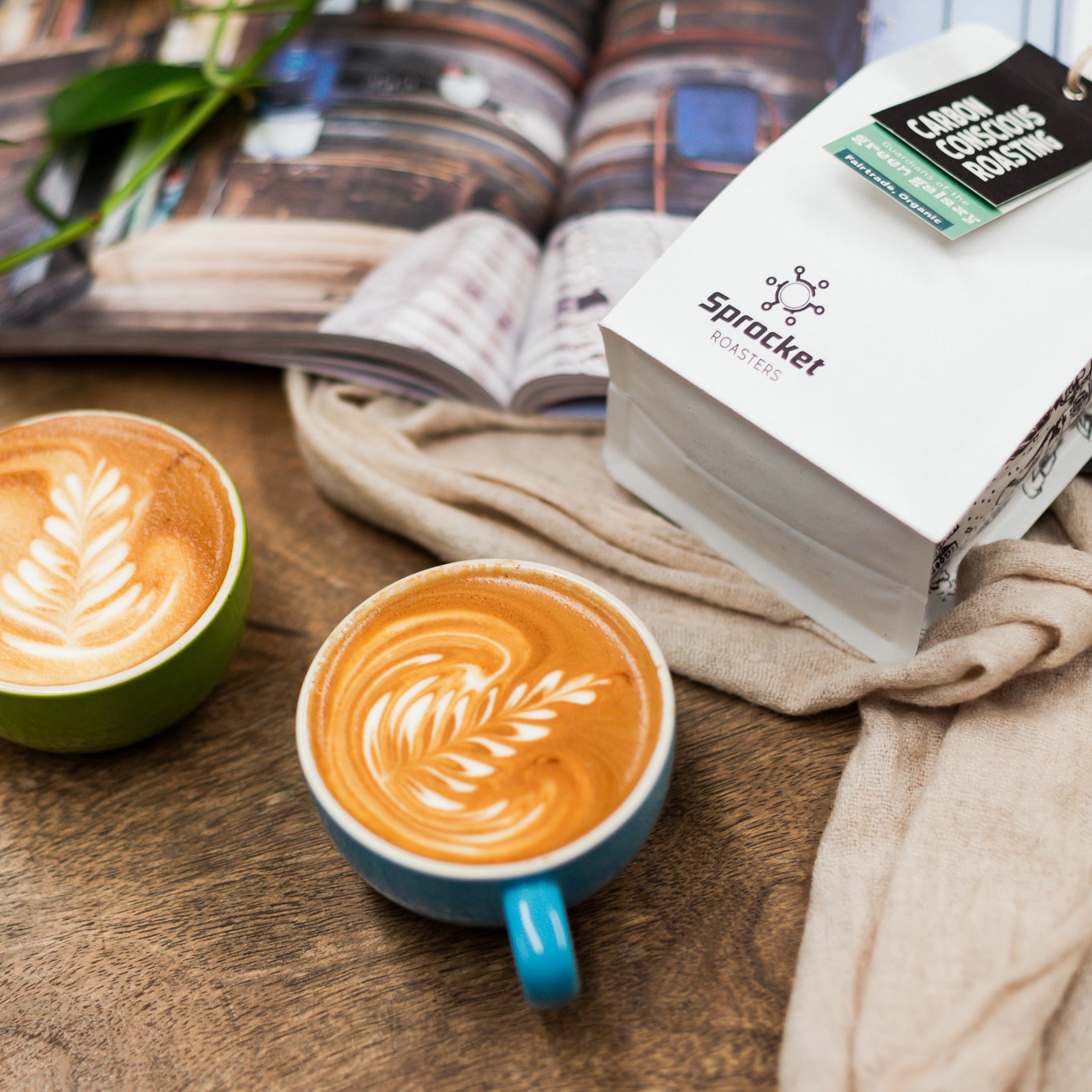
Local roasters prioritise ethical sourcing, working with suppliers who maintain transparent supply chains. Many offer Fairtrade certified and organic options, ensuring farmers get fair compensation.
This becomes critical in 2026 as climate pressures and rising costs threaten coffee farmers' livelihoods globally. The premium prices consumers are paying should reach the people actually growing the coffee. Local roasters with established ethical relationships provide assurance this is happening.
Making the Switch
If you haven't experienced what fresh, locally roasted coffee actually tastes like, there's never been a better moment to find out. As coffee prices hit historic highs due to climate pressures and supply chain challenges, ensuring you're getting genuine quality for your money isn't optional.
Newcastle's coffee scene offers serious variety - roasters specialising in everything from light, fruity filter coffees to rich, chocolatey espresso blends. Start at Sprocket Roasters, 24 Wyong Road in Lambton. Talk to the team about your taste preferences and brewing method. They're not gatekeeping - they genuinely want to help you find your perfect coffee.
Try different origins and roast levels. Keep notes on what hits. Don't be afraid to experiment - discovering new flavours and origins is literally the point of speciality coffee.
Or, as HUNTERhunter suggests, hit up one of the excellent cafés they supply: The Van at Bar Beach, Cargo Espresso in Redhead, Gamble and Brown in Kotara, Lynch's Hub, or Jimmy's in Warners Bay.
The Bottom Line
Choosing a local coffee roaster in Newcastle at the start of 2026 is about making informed decisions during a critical moment for coffee globally. It's about supporting innovation, sustainability, and community while ensuring you're getting genuine quality as prices reach historic levels.
As Newcastle continues evolving from "Smoke City" to a hub of sustainable innovation, local coffee roasters are leading. They're proving exceptional quality and environmental stewardship can coexist, that local businesses can compete nationally, and that your daily coffee ritual can be a force for positive change.
Next time you need to restock, skip the supermarket. Support a local Newcastle roaster instead. In 2026, when every coffee dollar counts and climate pressures make quality beans scarcer, choosing local ensures you're getting the freshness, traceability, and genuine sustainability that premium pricing should deliver.
Your taste buds - and your community - will thank you.